African Wildlife Services provides a wide range of services to conservation organisations and the game industry in Namibia and further afield. These services include:
Wildlife Veterinary Services
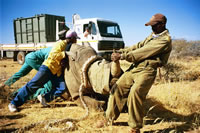
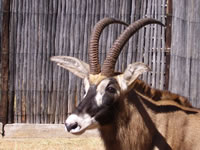
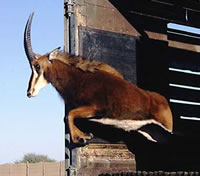
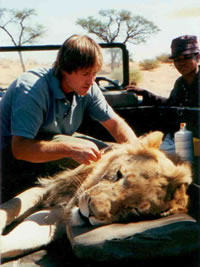
African Wildlife Services offers a wide range of wildlife veterinary services, including:
- veterinary support during research, collaring, capture and translocation of game,
- veterinary care for all wildlife species,
- health checks and vaccinations (e.g. anthrax, rabies, clostridial diseases, feline and canine infectious diseases), and
- post mortem examinations and reports.
Game Capture and Translocation
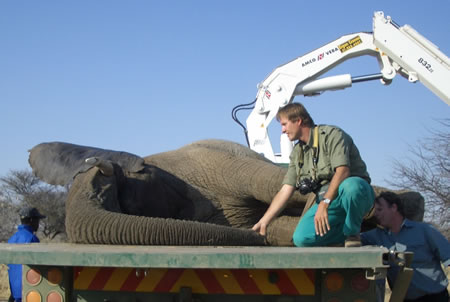
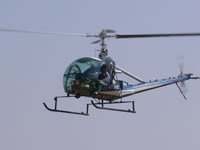
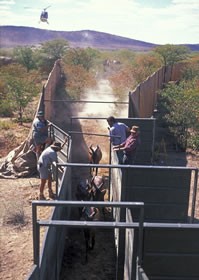
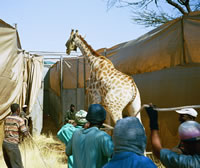
African Wildlife Services is specialised and equipped for the capture, handling and transport of rhino, elephant, giraffe, large carnivores, roan, sable, zebra and all other ungulates and is able to capture animals by various means such as:
- mass capture using a helicopter to herd animals into a boma, net boma, and/or drop-nets, or by means of passive capture boma;
- darting individual animals from helicopter, vehicle or on foot, using suitable immobilising drug and tranquiliser combinations
Animals are suitably tranquilised to reduce stress and the risk of injury during handling, transport and post-release adaptation.
Game Marketing
Wildlife populations on both private and communal land in Namibia have grown vastly over the past decade. Managing game populations at sustainable stocking densities to avoid overgrazing and degradation of habitat is essential to realise the full potential of game farming in Namibia's arid environment. African Wildlife Services provides a management option and a marketing opportunity to game producers by:
- facilitating sales between buyers and sellers throughout the year on a commission-on-sales basis,
- capturing and/or transporting game sold directly from sellers to buyers,
- buying game in the veld at market related prices,
- selling and delivering game at market related prices,
- marketing and providing logistical support for the export/import of game from/to Namibia, and
- arranging insurance for animals when required.
African Wildlife Services always aims to deliver animals of superior quality, which have been subjected to minimal handling stress.
No internships, students or volunteers
African Wildlife Services does not offer any internships, and cannot accept any students or volunteers due to logistical restraints.